
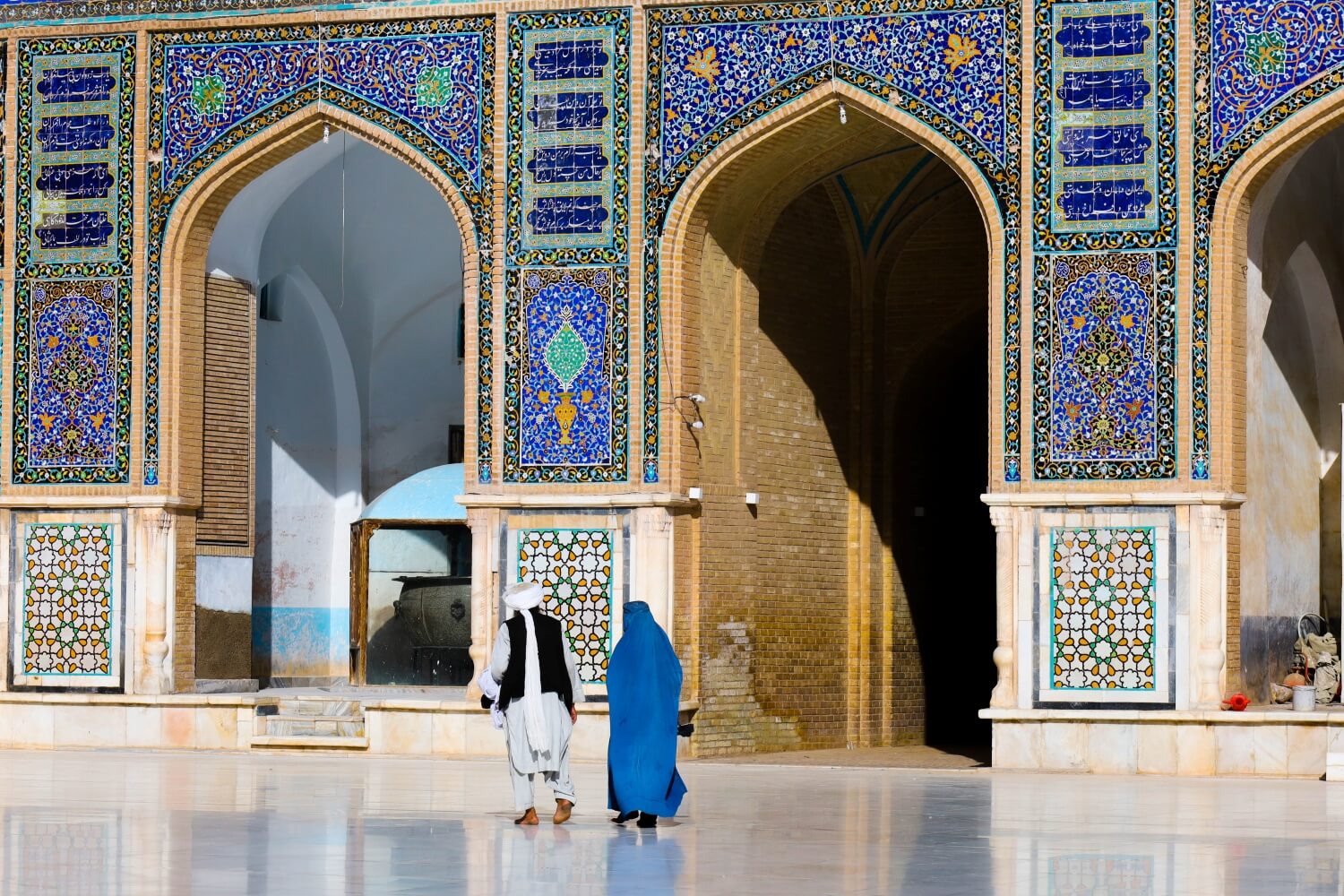
Since September 7, the Taliban have barred all female UN workers across Afghanistan.
Exclusive | Some told Kaaj the UN has bowed to Taliban pressure.
By Farahnaz Forotan and Kimia Bakhteri
Editing Support by Halima Kazem
Kimia Bakhteri, a pseudonym used for security reasons, reports from inside Afghanistan.
The Taliban’s campaign to erase women from Afghanistan’s public life has now reached the United Nations. In Herat, clerics and Taliban mullahs have joined forces to identify and bar Afghan women working for the United Nations. They are turning mosques into extensions of the regime’s power. The offices of women who used to work for the United Nations in Herat and other provinces have been empty for two months now and there is no one to reach out to widow-led households and provide much needed UN services.
The Taliban’s ban on women’s employment at the UN was first announced in April 2023, when the authorities ordered all Afghan women employed by the organization to stop working. Despite the decree, many women continued to report to work, and the UN quietly allowed them to do so.
But on September 7, 2025, the Taliban moved from words to action. In Herat, their white-chapan (coats) enforcers and local clerics appeared at the gates of the UN office, located in the city’s center. They physically blocked women from entering the compound. What had once been a written decree turned into an enforced reality.
Clerics and Taliban officials coordinated to identify and bar female UN staff, part of a broader campaign to erase women from public life.
Leila Yazdani was one of them. We are using a pseudonym for Yazdani to protect her privacy.
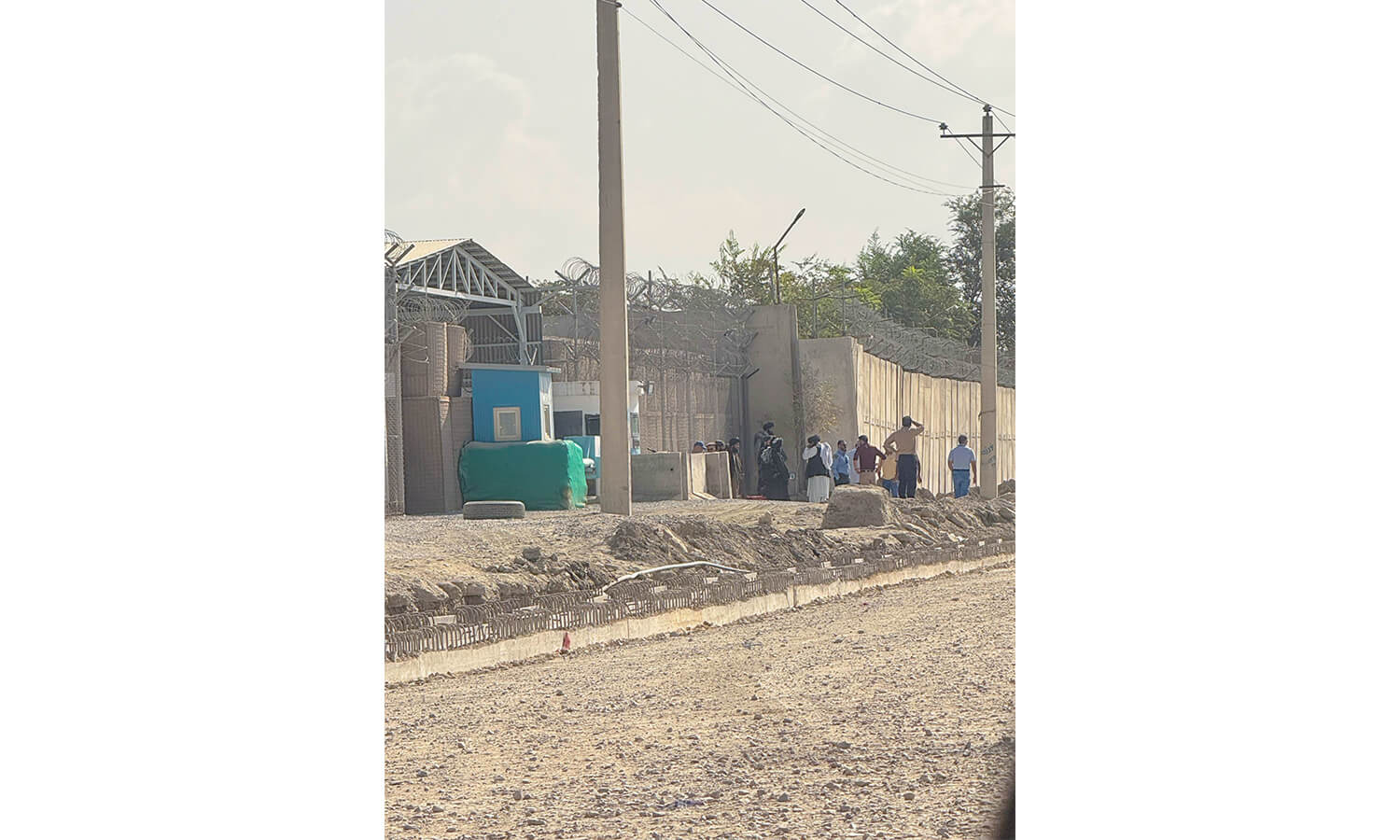
Herat ـــThe Taliban Declared in Mosques That Female UN Employees Were Spies
On September 8, like every day, Yazdani had headed to work in the morning, observing all the restrictions the Taliban had imposed on women, but the city felt tense. The previous day, officers from the Ministry for the Propagation of Virtue and the Prevention of Vice had declared that “women working for the United Nations are spies,” urging citizens to identify and report them.
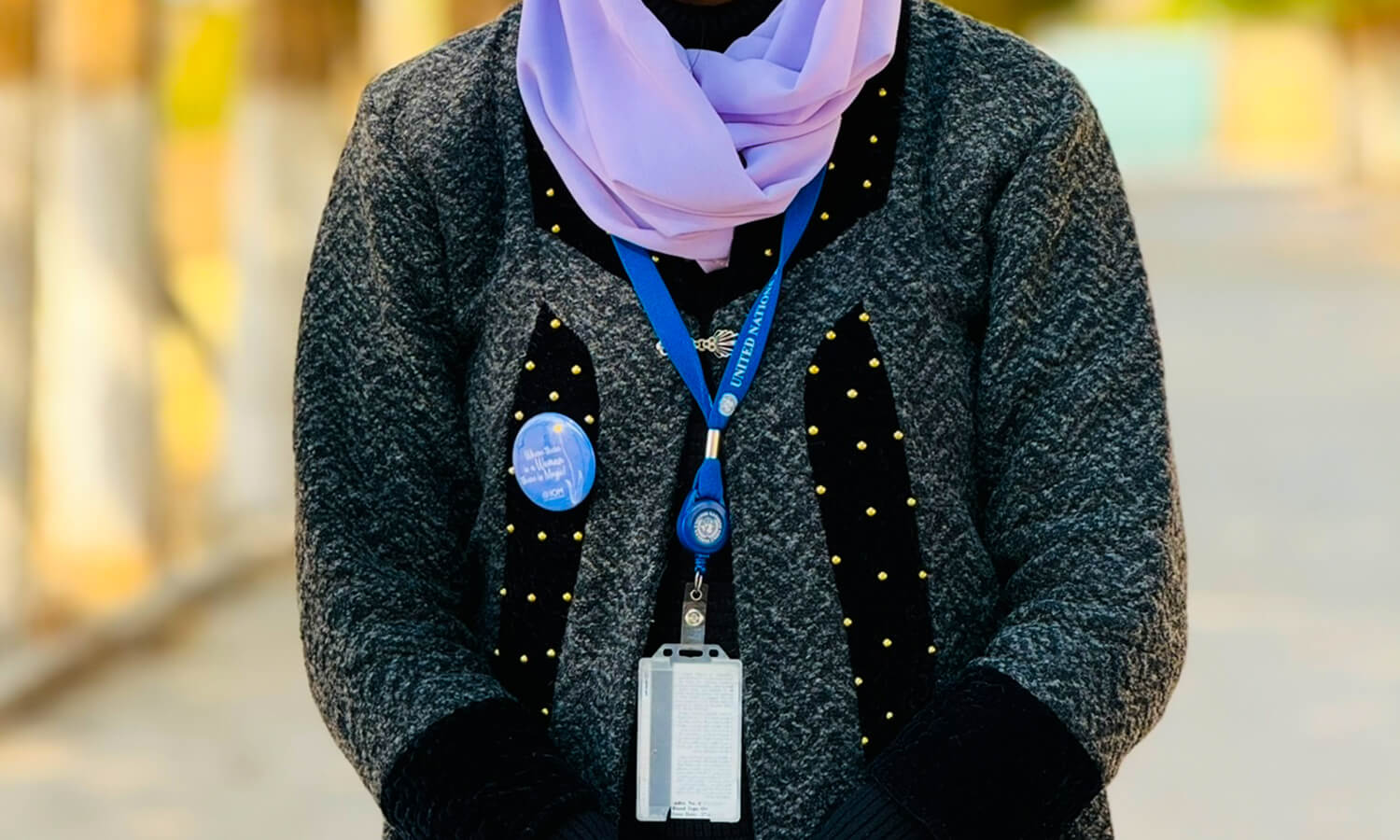
“It was Monday morning, the eighth of September, when the Taliban’s white coat enforcers lined up outside the UN office gate in Herat,” says Yazdani, “Women holding their work identification cards were being turned back, one after another. I was one of them.”
The next day, Yazdani’s father went to the mosque for prayers, where he heard agents from the Taliban’s Ministry for the Propagation of Virtue and Prevention of Vice using the pulpit to deliver a chilling message. They declared that women working for the United Nations must be identified and reported, calling them “spies” and “sinners.”
Yazdani recalls how her father returned home pale and frantic, urging her to leave the city immediately. “This time I felt they would kill me, whether at the hands of a Talib, or of men who, like with Farkhunda, fed off a peddled, hate-filled interpretation of religion,” she said, her voice still carrying the tremor of that day.
In 2015, 27 year old Farkhunda Malikzada was falsely accused of burning the Quran. She was viciously beaten, tortured, and burned alive by dozens of men outside the Shah-Do Shamshira Mosque in downtown Kabul. Police looked on and didn’t stop the mob and later it was proven that she was innocent. The malice of a cleric and the silence of a society took her life.
Clerics hold enormous power in Afghanistan’s religious, traditional, and closed society. During many historical periods there have been cases showing that anyone who opposes their will is silenced or killed.
“That day,” Yazdani continued, “I felt fear in my bones, not of an enemy, but of a neighbor who might betray me and tell the Taliban where I live.” She left home, remembering the heavy stares of men who had once been her colleagues but now judged her with their eyes, ready to summon the Taliban’s Vice and Virtue police at any moment.
Even during the republic (2001-2021), Herat had grown into one of Afghanistan’s most religious and closed-off provinces towards the end. It had become a city under the sway of hardline clerics who injected extremist beliefs into everyday life. One such figure was Mujib ur-Rahman Ansari, a Taliban ally and Deobandi cleric whose influence had wide appeal and following in the region until his assassination in 2022. His ideology now lives on, in the Taliban’s shadow and across the city.
Four days after Yazdani fled Herat, the Taliban published a list of names of female UN employees. Her name was among them. The agents of theMinistry for the Propagation of Virtue and the Prevention of Vice, with the help of mosques and local clerics, urged the public to arrest them. In several mosques, the names of these women, along with their home addresses, were read aloud to congregations.
According to the UN Women’s Afghanistan Gender Index, Afghanistan still has one of the largest workforce gender gaps in the world, with only 24 per cent of women participating in the labour force, compared to 89 per cent of men. The Taliban’s recent crackdown has made this gap even wider.
Kabul – Women Behind the Closed Doors of the UN
Yazdani wasn’t alone in her fear. Sharmila (a pseudonym), was an employee at a UN office in Kabul. She arrived at work at 7:45 a.m. on Sunday, September 7. Fifteen minutes later, the Taliban were at the door. By 8:00, no woman was allowed to enter. She and several colleagues were trapped inside the building.
“We were gasping between staying and leaving, between fear and having no protection,” she says. “The Taliban were behind the door with their guns. If we went out, they would arrest us.”

Sharmila says officers from the Ministry for the Propagation of Virtue and the Prevention of Vice had previously detained her and forced her to sign a pledge never to work again. This time, however, it was the end of her job. Her father was detained for one night on charges of “having a daughter employed by the United Nations” and released the next day after pledging that his daughter would “no longer spy.”
“My father promised I wouldn’t work anymore,” she says, “but if the Taliban take me, I won’t come out alive. If they lay hands on me … I have only one way out: suicide.”
Some women later imprisoned by the Taliban and who fled Afghanistan claim they were raped or filmed naked in detention, allegations the Taliban deny.
A Country Where Women Are Banned from Work
The crackdown wasn’t confined to Kabul or Herat. Nazanin (a pseudonym), a UNICA employee in the north, recalls that on September 7, before she even reached the office, Taliban agents had taken over the organization’s security posts. “We hadn’t even gotten close when they told us: women should turn back, men should get out,” she says. “Once again, just for being a woman, I felt humiliated.”
She and dozens of colleagues have been confined to their homes since that day. “Going to the office wasn’t just for work, it was for staying alive. Working is another way of living. I don’t know how long, or how, we can live like this.”
Sources inside the UN in Kabul confirm that since mid-August, the Taliban have issued new notices preventing women from returning to work. A senior source told Kaaj:
“We’re here, but we don’t really have any authority. Even in explaining aid or making basic decisions, we lack the power to act. The Taliban responded to the slightest reaction with threats to shut down our offices.”
That source cited the eastern earthquake response, “Assistance is first divided among Taliban officials, and what reaches the people is only a shadow of it. Go to the field, you’ll see people receive nothing, while winter has come and thousands remain displaced,” the sources said. Taliban officials have denied these claims.
Several other senior UN staff in Afghanistan declined to be named. One said, “The UN, like the rest of the world, has become complicit, by force or by choice. We see how the Taliban exercises full power, yet there’s no response.” Another source added, “Inside the UN in Kabul, there’s no sign, no green light, for women to return. All we do is issue statements that no one seems to read, perhaps not even the Taliban themselves”.
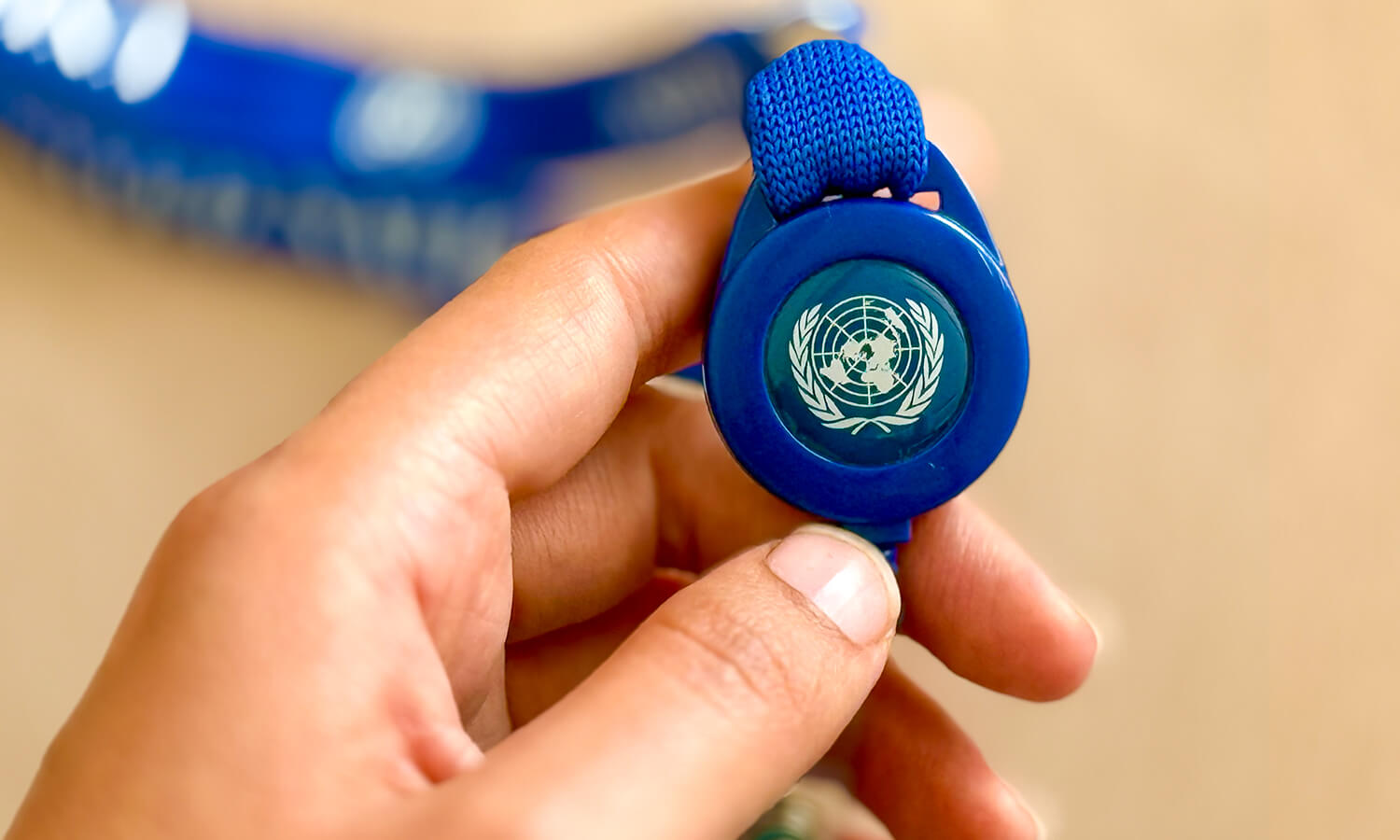
The United Nations remains one of Afghanistan’s largest aid providers, a country where, by its own reports, more than half the population faces hunger. For many women who worked with the UN, their jobs were no longer mere employment; they were the last sign of presence for those denied their most basic rights for four years.
All the women interviewed for this story expressed that when the mosque and the mullah stand alongside the Talib, the danger no longer comes only from a gun, it also comes from the pulpit and from minds convinced that a woman, her work, her presence, her education, is a threat. They say that the change and resistance has to come from all Afghans.