
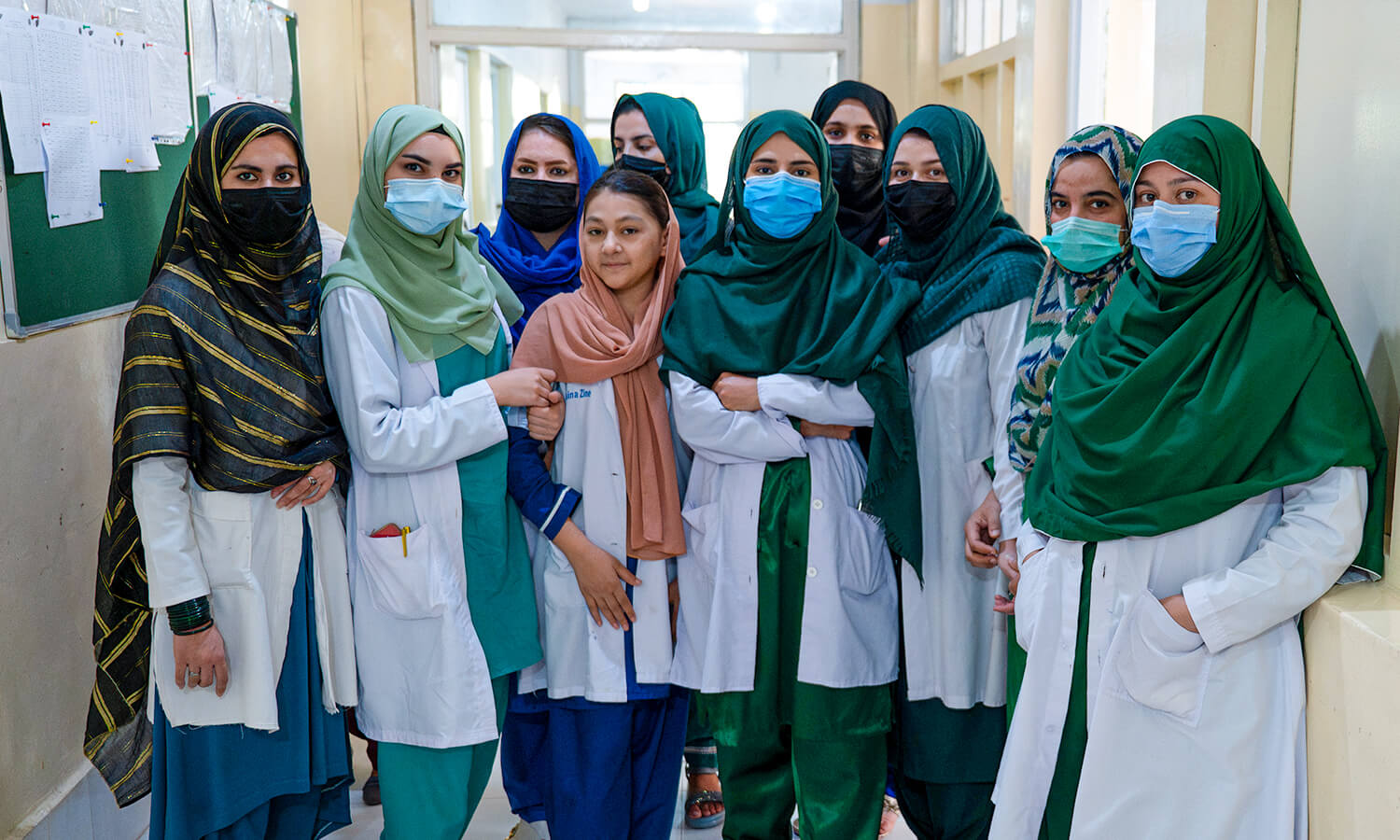
Despite a widespread ban on women working in Afghanistan, three female doctors in eastern Afghanistan stepped up to save lives after a devastating earthquake.
On September 1, a 6.0-magnitude earthquake shook eastern Afghanistan, killing more than 2,200 people and injuring thousands. Barred from studying at universities and working under Taliban restrictions, women surgeons, nurses, and midwives, many of them volunteers, stepped forward in Nangarhar and Kunar’s overcrowded hospitals to fill the gaps of a collapsing health system.
By: Farahnaz Forotan and Amina Azizi – Visuals by Kaaj Magazine
“We were only three women surgeons. On the first day of the earthquake, we performed more than twenty surgeries,” said Dr. Shakila Zaheer, a surgeon in Nangarhar’s local hospital in Afghanistan. The region is one of the most densely populated in the country with more than 3 million people living in the region. According to multiple UN agencies, most of the victims of the earthquake were women and children.
That morning Nangarhar’s women’s surgical ward started early and dozens of severely injured patients poured into the hospital. The hospital has two operating rooms and 49 beds. That morning more than 140 people, injured during the earthquake, lined the halls. This was more than Zaheer had ever seen in her seven years of service.
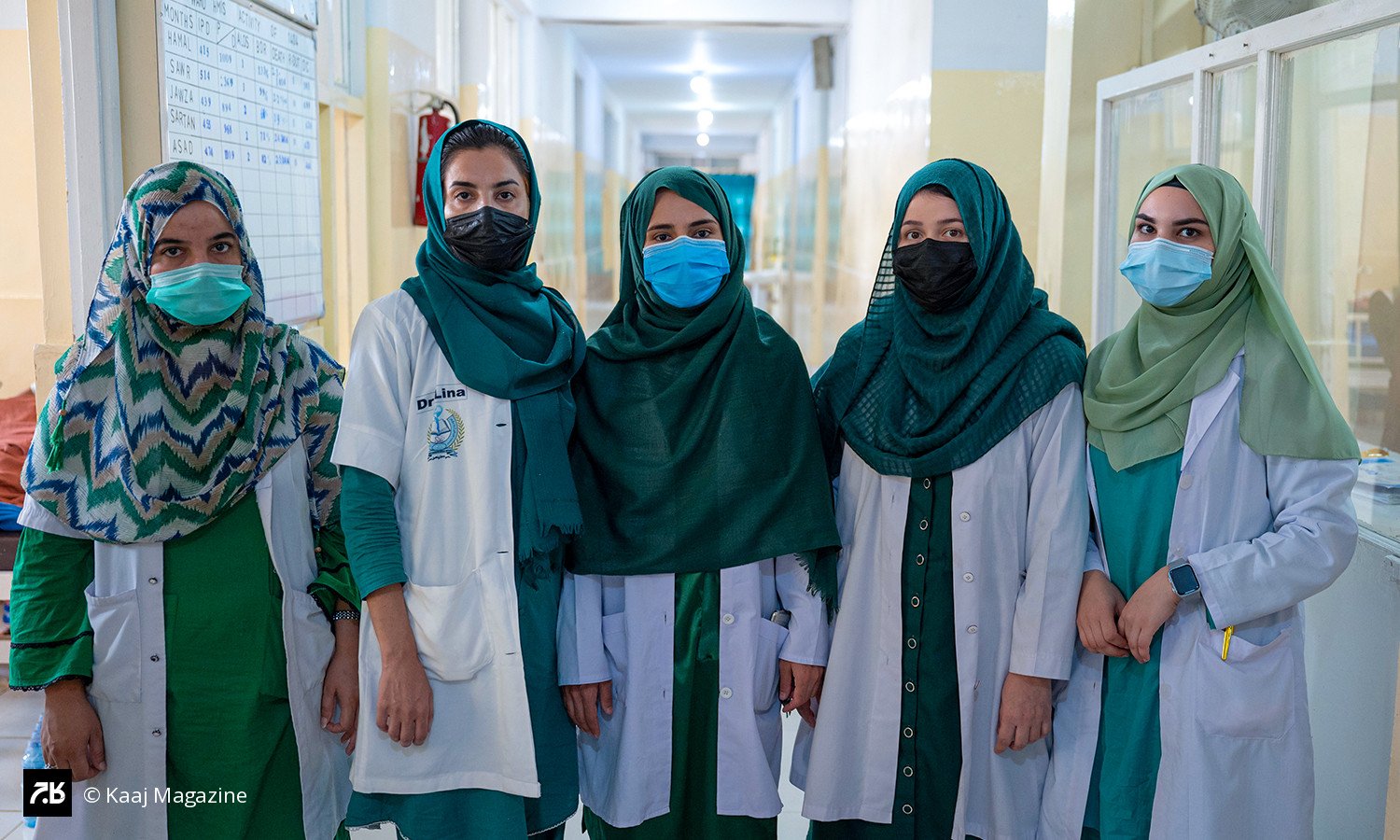
“It was one of the most painful days of my career,” she said. Zaheer described how dozens of women and children were rushed in, even as the aftershocks of the quake were still shaking the walls. She described the scene as “a flood of severely wounded people which left no space to breathe in the hospital”. “We had so many patients in critical condition that we pulled out the carpets from the offices, laid them on the floor and treated them on the floor,” Zaheer said. The images remain vivid for her, broken arms, shattered legs, faces torn by falling debris, children sobbing in pain and fear.
In those hours, she said exhaustion was not an option. For three days straight, Zaheer and her two colleagues, Dr. Lima Akbari and Dr. Razia Hassan, treated patients non stop. All three women had once walked the halls of Nangarhar Medical University in Jalalabad, halls now closed to women under Taliban rule.
“We were exhausted,” Zaheer said, “but all of us, from the volunteers to the surgeons and nurses, had made a commitment: as long as we had strength, we would save lives.”
The women said they felt the pressure of being the only surgeons in the region and worried about the many patients they couldn’t get to, “It is far too few for such a large population,” Zaheer said.
Kaaj spoke with Dr. Rahila, a volunteer who rushed to the hospital in Kunar in the first days after the earthquake. “Men came and insisted their wives be treated only by female doctors,” she said. Deeply shaken by the scale of the tragedy, Rahila admitted she did not know how to reach all the patients, as the number and severity of the wounded were overwhelming. “Women who were conscious asked for female doctors, but there were so few of us that we simply could not reach everyone.”
On the other side of the same hospital, where the corridors overflowed with the dying and wounded, a volunteer midwife was also at work.
“We are ready. Call us if you need nurses and doctors,” Latifa Shinwari, a midwife in Jalalabad, wrote in a group chat, just after she and her colleagues learned that the devastating earthquake had struck and thousands had been injured, many women and children.
The next day, the Midwives’ Association called them in to serve in the hospital. This association brings midwives together across the eastern region of Afghanistan. “When we arrived, we started from zero. Nothing was active. We, brothers and sisters together, prepared the beds and the medicines,” Shinwari said.
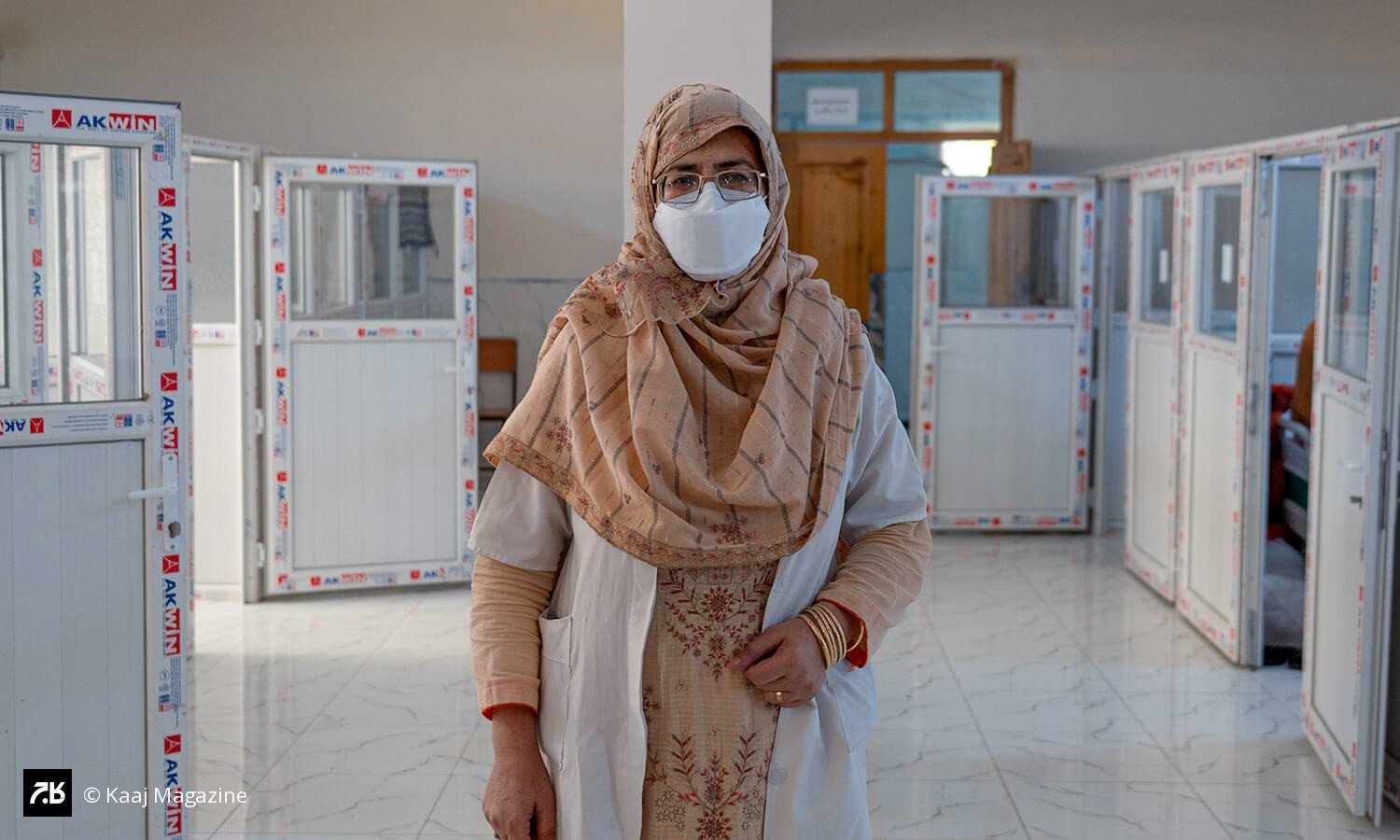
Shinwari described those first hours inside the hospital. “We stood on our feet for 73 hours straight, caring for the patients. Their condition was critical, but we believed we would save lives. For two nights and two days we served the wounded without a break.”
Under Taliban rule, Shinwari has no official job and has been forced to stay at home. But in the chaos of the earthquake, the rules slipped away. “There were dozens of women and children with severe wounds, and the number of patients was so high that the doctors there were not enough. The situation was so overwhelming that nobody even had the chance to question why we were there,” she said.
Together with other doctors and nurses, she joined dozens of volunteers who rushed into the hospitals of Kunar and Jalalabad, filling the wards with quiet but determined resolve. They moved from one patient to the next, dressing wounds, calming frightened families, and filling the gaps left by a health system already stretched to its limits.
Nargis, a 22-year-old health worker from Kunar, also spent nearly a week inside the women’s ward at Nangarhar Provincial Hospital. “For six consecutive days and nights, without pause or rest, I treated and cared for the injured women of the Kunar earthquake,” she said.
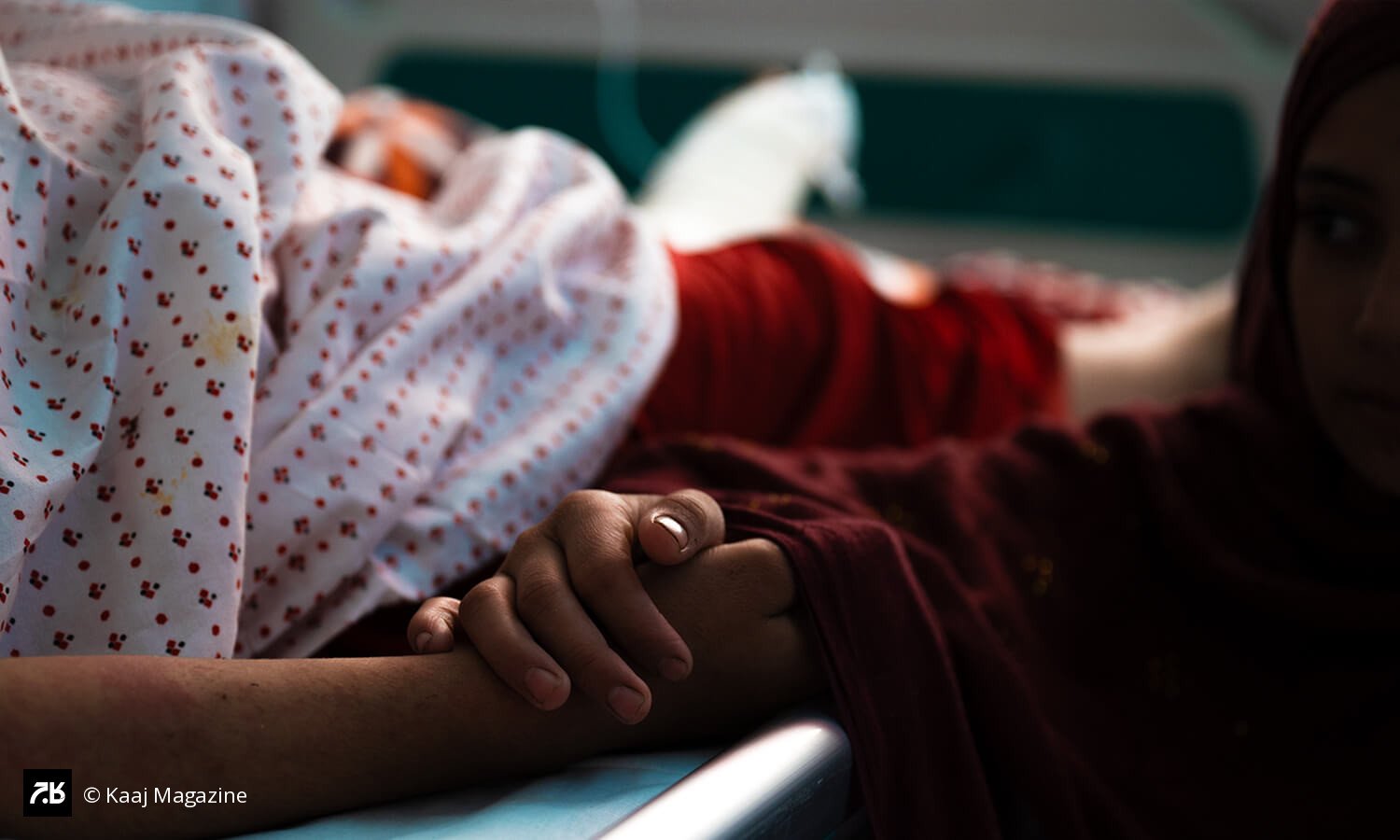
Wazhma, another health worker in Nangarhar hospital described the dual burden of treating the wounded while caring for children separated from their families. “In the first days, I was not only treating women but also helping children find their relatives. For those who had no one, we took them in, nursing and caring for them as if they were our own,” she said.
The burden was shared across volunteers and health workers, but for Dr. Shakila Zaheer and her two colleagues, the pressure was constant. Even after the chaos of the first days, she said, the tide of need never ebbed. The surgeons found themselves not only treating the wounded, but also caring for those who had no family left.
“Pregnant women who are completely alone, children without guardians. We tend to them in every way we can,” she said. Preparing for yet another surgery, Zaheer offered a final reflection. “We are a religious and traditional country. Families in the villages want their women to be treated by female doctors. But often we have patients who wait hours, even days, because there are so few of us. No matter how hard we try, we cannot reach them all. We need more female doctors, for women, and for saving more lives.”
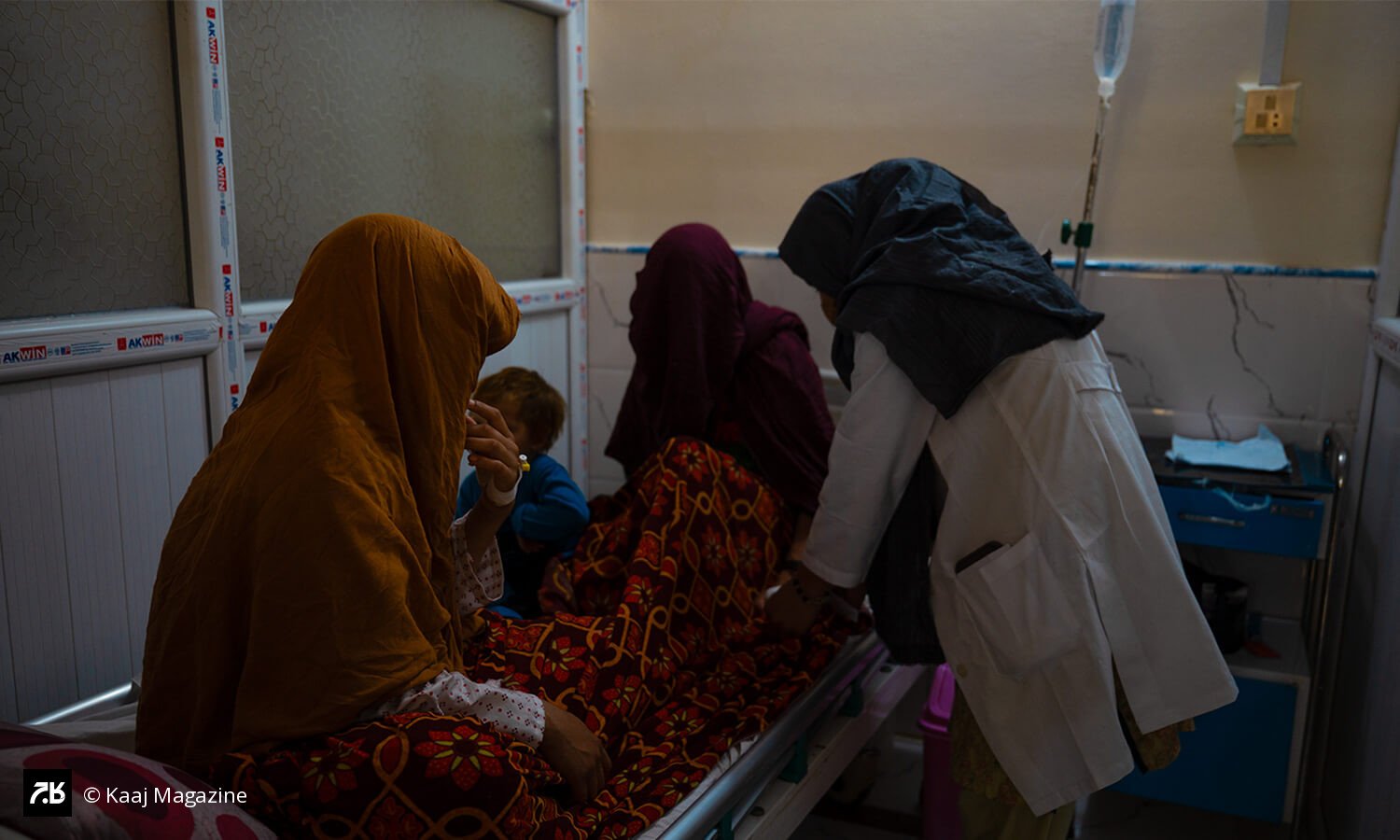
The scale of the tragedy underscores just how vital the presence of women doctors are. According to UN agencies, at least 2,164 people were killed and 3,428 injured in the earthquake. The dead included 1,193 children and over 1,000 women and girls, with 731 children killed in Kunar alone, UNICEF reported. Save the Children estimated that more than half of all victims were children, while UNFPA warned that nearly 120,000 pregnant women in the region remain in urgent need of medical assistance.
A few years ago, the Taliban closed the doors of universities to women, and female medical students at Nangarhar Medical Faculty were barred from sitting their exams, a move that sparked protests by both men and women in Jalalabad and then across Afghanistan. Since December 2022, when the nationwide university ban formally came into effect, generations of young women have been cut off from higher education. The question now is unavoidable: if this continues, how will a country that is not only impoverished but also vulnerable to natural disasters face such crises without female doctors and nurses?